Why J-Tubes Are Harder Than Open Structure
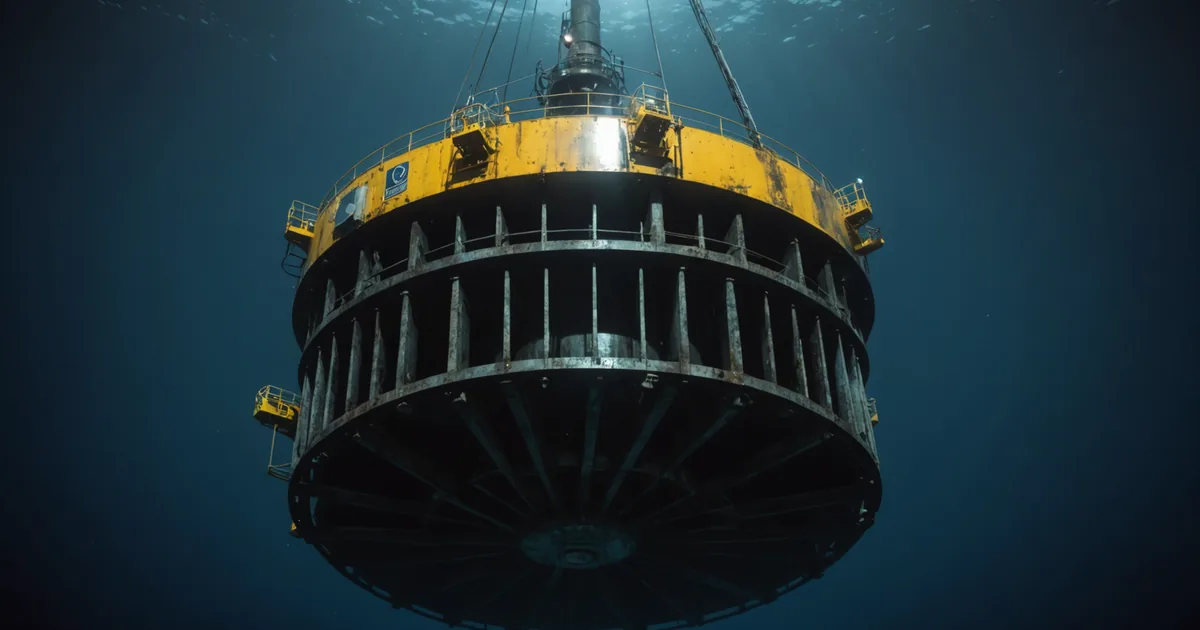
The J-tube is the curved steel conduit that guides export or array cables from below the seabed up through the monopile foundation and above the water surface. It is named for its shape. In structural terms, the J-tube is a secondary attachment to the monopile, welded or clamped at intervals. In inspection terms, it presents a collection of problems that make it harder to survey reliably than open structural steel.
First, the geometry. The inner face of the J-tube, the cable-facing surface, is not directly accessible to ROV cameras in most installations. The ROV can inspect the outer surface and the cable entry point at the base, but the internal conduit surfaces where corrosion can develop from trapped water and differential temperature are not part of most ROV survey deliverables. This is a known limitation of standard ROV inspection practice, not a detection problem we can solve with better algorithms.
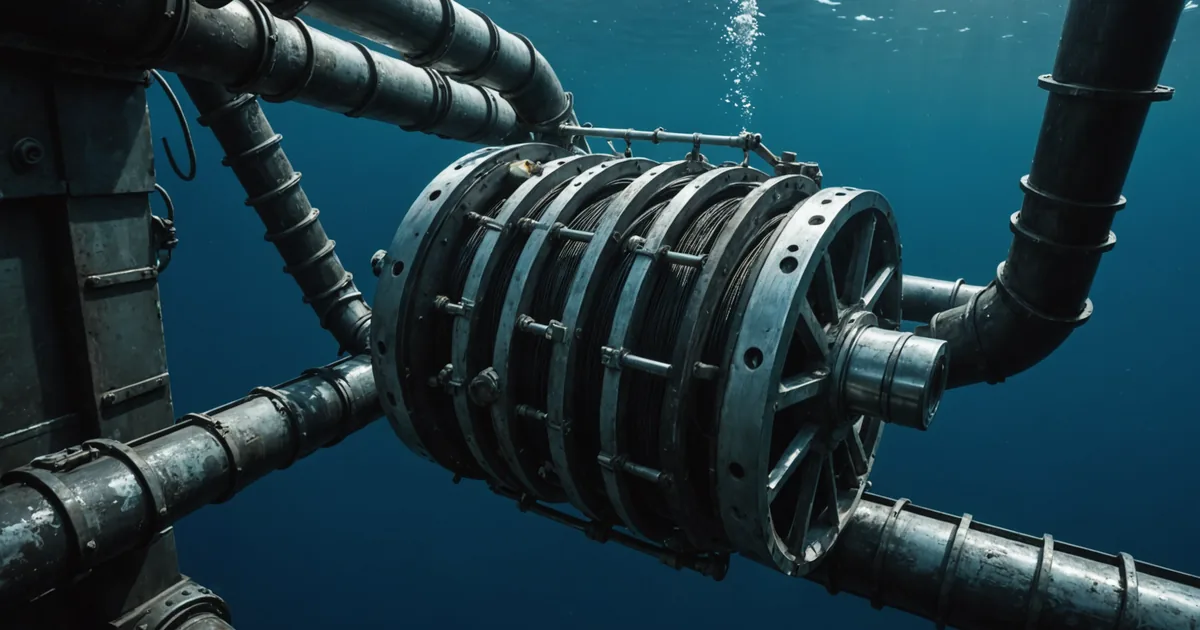
What we can improve is the detection quality on the outer J-tube structure, the cable entry bell mouth, and the visible portions of the cable run from the bell mouth to the seabed. These areas are included in standard ROV survey sweeps but present consistently poor detection performance in manual review. The lighting angles are constrained by the cable geometry, and the transition between cable sheathing and steel tube creates visual ambiguity that makes anomaly classification difficult for reviewers working at review pace.
The Training Data Problem for J-Tube Detection
When we began extending our detection models to cover J-tube areas specifically, we encountered the same training data scarcity problem that affects any specialised detection task. General underwater inspection datasets contain some J-tube footage, but at a fraction of the volume available for open monopile or jacket structural steel. The class imbalance means models trained on general datasets perform poorly on J-tube anomaly categories.
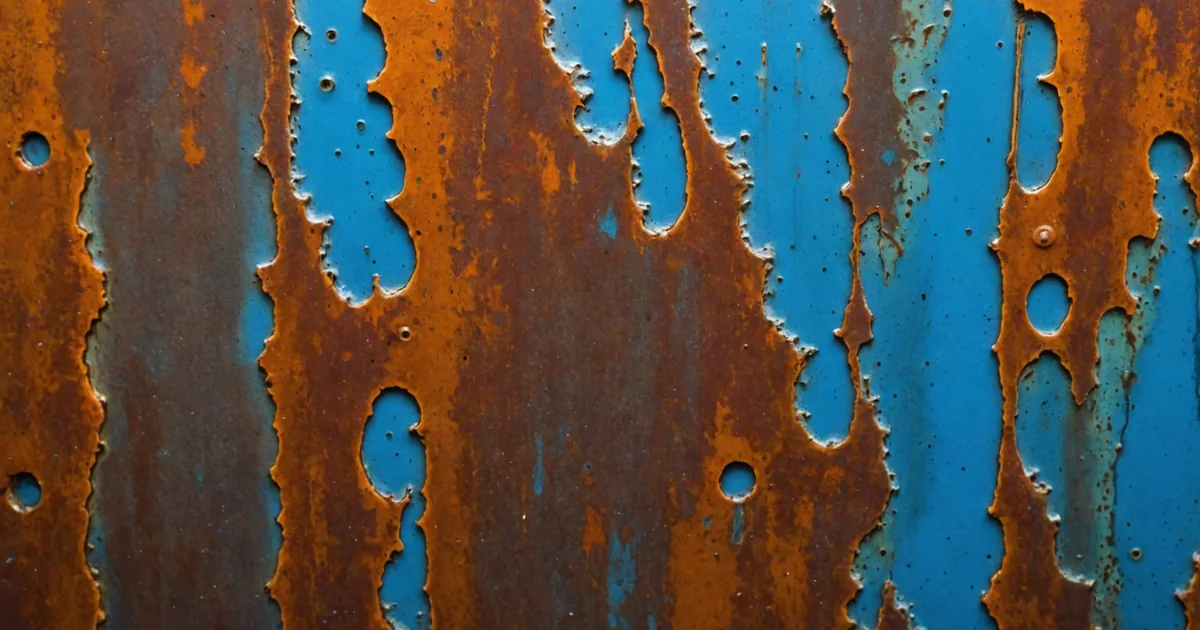
The anomaly types relevant to J-tube and cable inspection include: sacrificial anode wear on the J-tube support clamps; marine growth on the outer tube and cable sheathing; surface corrosion at the bell mouth junction where dissimilar metals meet; mechanical damage to cable sheathing from debris impact or mooring interference; and, less commonly, cracks at welded J-tube bracket attachment points on the monopile.
Of these, the three we found most under-represented in available training data were clamp anode wear, sheathing damage, and bracket weld conditions. Anode wear in particular is visually subtle in underwater lighting, and the specific geometry of J-tube support clamps means that the same wear condition looks different depending on the ROV approach angle. Without sufficient examples across that angle range, detection confidence is poor.
Our approach in the early-access programme was to request that participating operators specifically include their J-tube zones in the footage they submitted for processing, and to ask their inspection engineers to review and annotate the detection outputs for those zones with particular care. This gave us annotated examples across multiple ROV systems, multiple depth conditions, and multiple asset ages, which is the variance we needed to improve model generalisation.
What the Early Results Show
We are sharing these results as early notes, not as a performance validation. The dataset is small and comes from a geographically limited cohort of North Sea installations. We are not claiming that these numbers will generalise to all J-tube configurations or all operating environments.
On outer J-tube corrosion and marine growth, detection performance is comparable to our open-structure results. These categories have enough training examples and the visual characteristics are consistent enough that the model handles them well. When we compare detection rate against manual review logs for the same footage, we find fewer missed findings from the automated analysis, consistent with the general pattern we see across all detection categories.
On bell mouth junction anomalies, we see higher false positive rates than we would like. The dissimilar metal junction creates visual artifacts in certain lighting conditions that the model currently classifies as surface corrosion when they are lighting effects rather than genuine material degradation. We are working on this. The practical approach for now is to flag bell mouth junction detections at a higher review confidence threshold, requiring engineer confirmation before they enter the anomaly log.
On cable sheathing damage, detection is functional for mechanical damage that creates visible deformation or sheathing breach. Minor surface abrasion that has not compromised the sheathing is often below the detection threshold, which is appropriate: that level of condition is within normal tolerance for dynamic cable operation and does not typically require immediate inspection action.
The Consistency Argument for Automated J-Tube Review
Even with the current model limitations, there is a consistency case for automated J-tube inspection that is separate from raw detection performance. Manual review of J-tube footage is unusually variable because the inspection community has less standardised practice around J-tube assessment than it does around open structural inspection. Two reviewers can look at the same bell mouth footage and reach different conclusions about whether a surface condition warrants a finding record, and the inconsistency is not because one is careless.
The variability stems from the absence of a well-established condition assessment vocabulary for J-tube zones. The International Marine Contractors Association guidance covers general offshore structure inspection comprehensively, but J-tube specific assessment criteria appear in a patchwork of operator-specific specifications rather than in a single authoritative reference framework. The result is that finding thresholds depend heavily on which operator's specification the reviewing engineer was trained on.
Automated detection applies a consistent threshold regardless of which operator commissioned the survey. That consistency is valuable for longitudinal comparison even before it is valuable for absolute detection rate. When we run detection on year-2 footage from an asset that was also in year-1 detection, we are comparing like with like. When year-2 is manual review and year-1 was also manual review, the comparison may be against two different effective thresholds.
We are not suggesting that J-tube detection has reached the maturity of open-structure corrosion detection in our system. The gap in training data, the geometric complexity, and the unresolved false positive issue at bell mouth junctions mean this remains an active development area. What we are saying is that even at current capability levels, automated J-tube inspection produces more consistent outputs than manual review, and that consistency has compounding value as inspection data accumulates over multiple survey cycles.
Next Steps for This Detection Category
We plan to expand the J-tube annotation dataset through the next campaign season. The operators in our early-access programme have agreed to flag J-tube footage for dedicated annotation, and we have a protocol established for collecting confirmation or rejection of detections directly from reviewing engineers in a format that feeds back into training.
The bell mouth false positive issue is on the immediate roadmap. Our current hypothesis is that the problem is addressable through better lighting condition classification: if the model can identify high-glare lighting states in the bell mouth area, it can apply a more conservative classification threshold specifically for those frames. We will share results when we have them.